Why a 15.6-inch bag does not fit every 15.6-inch laptop
The screen diagonal is not the chassis size, and bag makers quote the diagonal. Three measurements settle it in a minute.
Laptop bags are sold by screen diagonal and laptops are not the shape of their screens. Two machines with the same nominal size can differ by several centimetres in width and by more than half in thickness, and the bag that fits one will not close over the other or will let it slide around.
Why the diagonal fails
Three things break the correspondence:
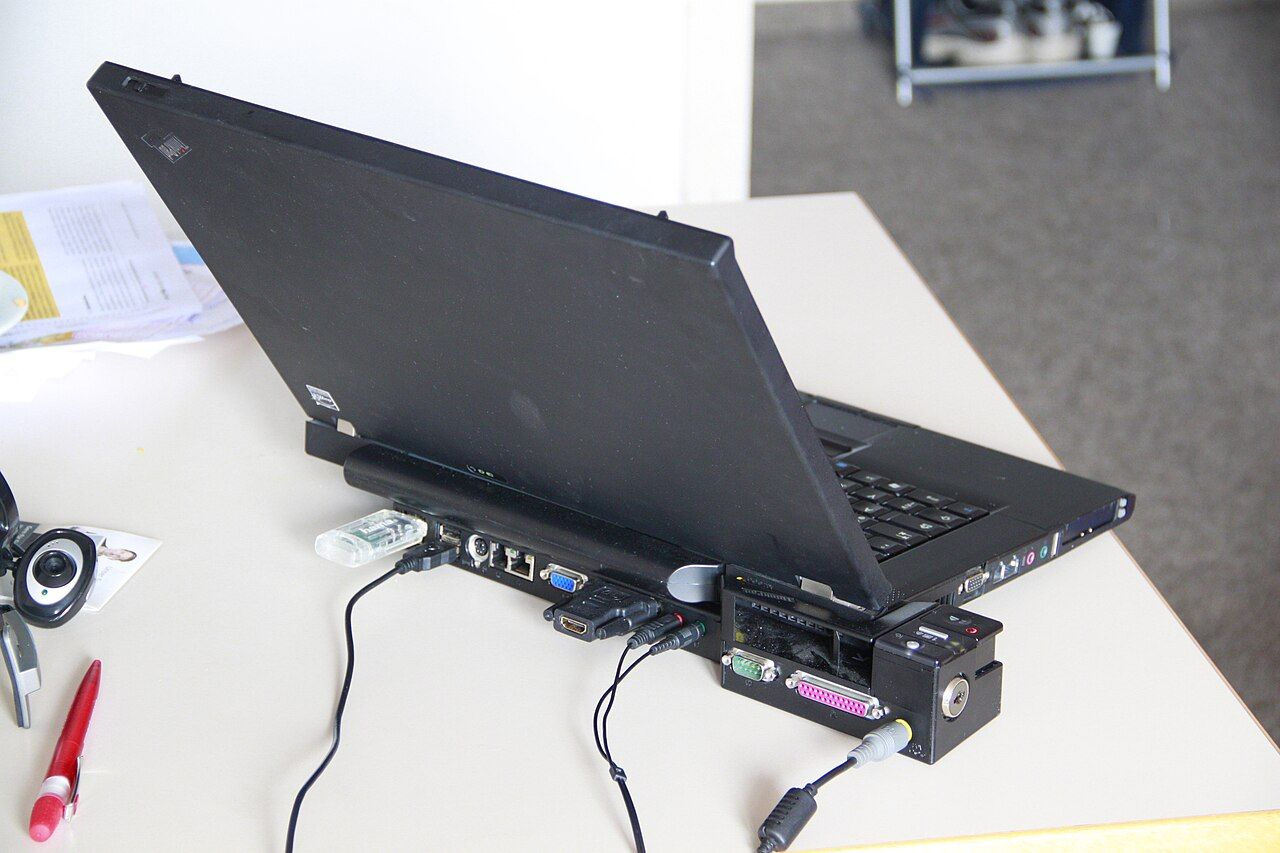
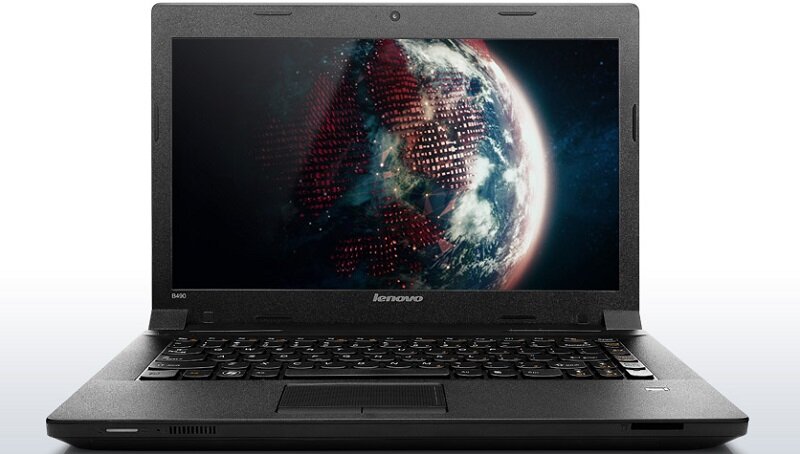
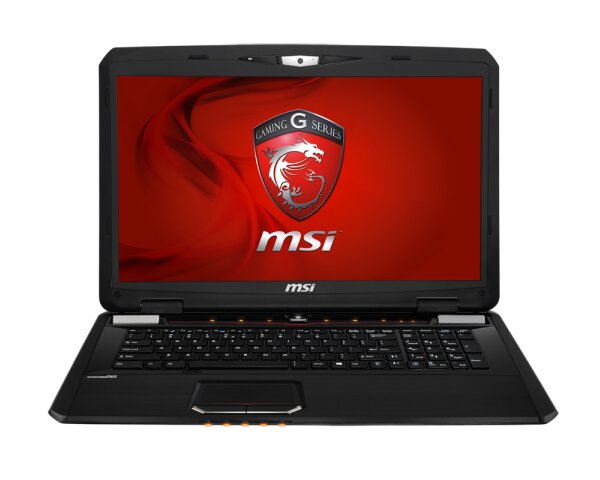
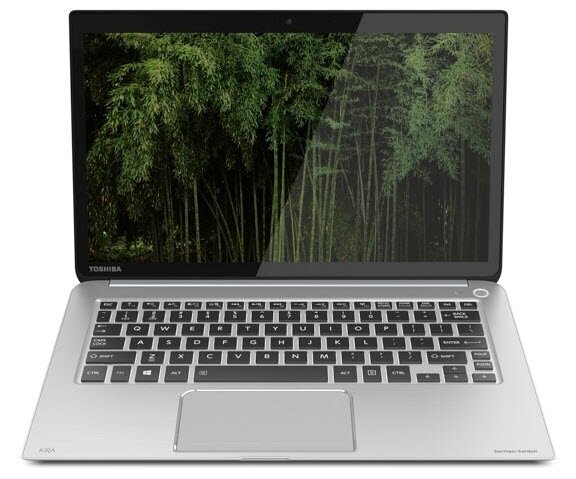
- Bezel width. Screen borders have narrowed dramatically. A machine from a decade ago with a 15.6-inch screen is substantially wider and deeper than a current one with the same screen, because the same panel now sits in a smaller chassis. Some current 16-inch machines are physically smaller than older 15.6-inch ones.
- Aspect ratio. The return of taller screens means two machines with the same diagonal have different proportions: the taller-screen machine is narrower and deeper.
- Thickness and feet. A thin machine and a gaming machine of the same footprint can differ by two to three centimetres in thickness, and a padded sleeve sized for the first will not take the second.
The three numbers to use instead
Width, depth and thickness, from the manufacturer's specification page for your exact model. Every maker publishes them. Add roughly one centimetre to each for the padding, and compare against the bag's stated internal dimensions — not its external ones, which include its own padding and are the figure product pages prefer to quote.
If a bag lists only a diagonal, its internal dimensions are usually in a question or a review on the same page, and asking is reasonable. A bag whose seller cannot state internal dimensions is a bag that has not been measured.
The things that are not size
- Weight. A machine's weight and the bag's own weight both land on one shoulder. The machine weight is in the specification; the difference between a 1.2 kg ultraportable and a 2.6 kg gaming machine is the whole argument for a backpack over a shoulder bag.
- The charger. A high-wattage charger is bulky and has to go somewhere. Check the bag has a compartment that takes it without pressing on the screen.
- Where the padding sits. A sleeve padded at the edges and thin at the base protects the machine from the drop that actually happens, which is onto its corner.
- Airport handling, if you travel: a bag that opens flat saves the machine coming out at security, and it is a property of the design rather than the size.
Sleeve, shoulder bag or backpack
A sleeve is the right answer when the machine travels inside another bag, and it is the cheapest way to add real protection. A shoulder bag suits short journeys and light machines. A backpack is the only comfortable option above about two kilograms or beyond a short walk, and the weight argument overrides aesthetics faster than people expect.
Measuring a machine you already own
Measure the closed machine across its widest point, including any rear hinge that protrudes, and measure the thickness at the thickest point, which on many machines is the rear edge rather than the middle. Both are the figures that decide whether a zip closes. For older machines whose manufacturer pages have gone, the chassis dimensions are recorded on the model pages in our brand archive.