We provide rich specifications of new laptop computers and netbooks.
What made a laptop thin in this generation was rarely one part. A magnesium and aluminium lid let the panel sit in a shell thin enough to skip the plastic frame; a solid-state drive removed the height a spinning disk needs; and a low-voltage processor cut the heat, which cut the size of the cooler and with it the thickness of the base.
The compromises came in the same package and are still the ones to look for. A thin machine has a small battery by volume, so endurance depends on the efficiency of the parts rather than on capacity. Ports are the first casualty: wired network and optical drives disappear, and the sockets that remain are harder to replace when worn. And a metal lid conducts heat, so the palm rest of a thin laptop runs warmer than a thick one under the same load. This page keeps the entry as it was published on this domain.

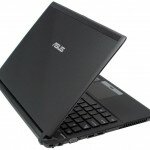
Asus will release the U36S ultra-thin laptop in Europe next month. This ultra-thin laptop has a fingerprint-free Magnesium-Aluminum alloy cover, just 19 mm thick and weight 1.9kg.
The Asus U36S laptop is powered by a 2.7 GHz Core i7-2620m processor, 4GB of DDR3 memory, 160GB solid state drive, and a GeForce GT 520M 1GB graphics card.
This Asus U36s laptop packs a 13.3-inch LED-backlit display with a resolution of 1366 x 768 pixels, a 0.3-megapixel webcam, 802.11 b/g/n WiFi, Bluetooth 3.0, USB 3.0, Gigabit Ethernet LAN, a HDMI output, and a 8-cell battery.
The Asus U36S laptop runs Windows 7 Professional 64 bit OS and price of €1,299.